


Is it OK to return to school with pink eye?
Pink eye is one of the most common reasons children are sent home from school. If your child wakes up with red, irritated eyes, you might wonder: can you go to school with pink eye, or should they stay home?
The answer depends on the type of pink eye, how severe the symptoms are, and school health policies. Let’s walk through the facts so you know what to expect and how to protect both your child’s comfort and the health of others.
Key Points
- Whether you can go to school with pink eye depends on the type of conjunctivitis you or your child have and whether it’s contagious.
- Viral and bacterial pink eye usually require staying home, while allergic or irritant types don’t pose any risk to others.
- School policies vary, so it’s best to review the rules, practice good hand hygiene, and check with your doctor if you’re unsure.
What is Pink Eye (Conjunctivitis)?
Pink eye, or conjunctivitis, is inflammation of the thin tissue that lines your eyelids and covers the white part of your eyes.1 There are several types, and not all are related to infection:
- Viral conjunctivitis (also known as viral pink eye) is often linked to colds or respiratory infections. Viral pink eye spreads easily through contact with eye discharge or contaminated surfaces.1
- Bacterial conjunctivitis may produce more pus-like eye discharge in some people, and is very contagious.1
- Allergic conjunctivitis is triggered by allergens like pollen, dust, or pet dander, and is not contagious.1
- Irritant conjunctivitis or chemical conjunctivitis is caused by exposure to smoke, chlorine, or other irritants. This type isn’t contagious either.1
The cause of your or your child’s pink eye determines whether or not returning to school is safe.
Can You Go to School with Pink Eye?
The short answer: It depends.
- If the conjunctivitis is viral or bacterial, students are usually asked to stay home while contagious. Viral pink eye can last up to two weeks, and bacterial pink eye may improve within a few days of antibiotic eye drops.1 Schools often have rules to reduce the spread of eye infections.
- If the conjunctivitis is allergic pink eye, irritant conjunctivitis, or chemical conjunctivitis, there’s no risk to others.1 In those cases, students can usually attend school as long as they feel comfortable.
Children with bacterial conjunctivitis can generally return to school after they begin antibiotic eye drops and have no other symptoms. Viral conjunctivitis is trickier because there’s no specific medicine to shorten it.
Many schools ask children with pink eye to stay home from school until the redness and discharge go away.1,2
School Policies and Restrictions
Schools and child care centers have their own health rules. Some require a doctor’s note before returning. Others may allow attendance once symptoms are mild, provided good hand hygiene is practiced.
Common school restrictions include:
- No return until 24 hours after starting prescription eye drops for bacterial infection
- Staying home until there is no active eye discharge or excessive tearing
- Avoiding group activities when symptoms are severe
Always check your school district’s written policy and ask your child’s pediatrician or eye doctor for guidance.
Signs It’s Time to Stay Home
Even if your school allows attendance, some symptoms mean it’s best to keep your child at home with pink eye:
- Thick yellow or green eye discharge that makes it hard to open the eyes
- Significant eyelid swelling or pain
- Fever or signs of a broader illness, which could indicate more than just an eye infection
- If your child is too uncomfortable to focus in class
Keeping a child home under these circumstances not only protects others but also gives them time to rest and recover.
Treatment Options for Pink Eye
Treatment for pink eye depends on the type of conjunctivitis:
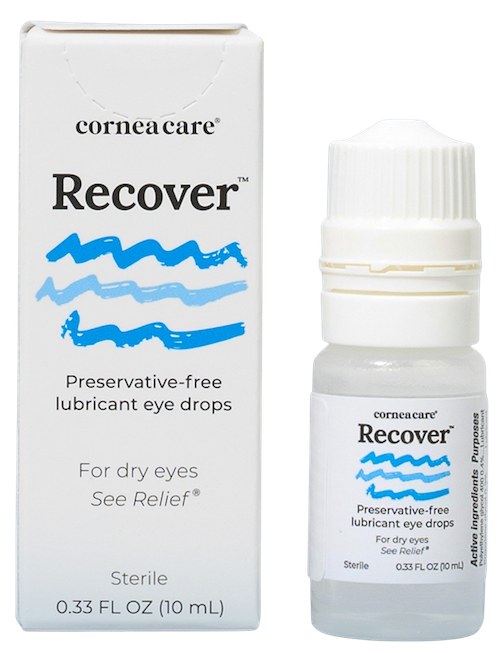
- Viral conjunctivitis will usually clear on its own within one to two weeks. CorneaCare preservative-free artificial tears and a cold compress can help with irritation.1,3
- Bacterial conjunctivitis typically requires antibiotic eye drops prescribed by a doctor.1,3
- Allergic conjunctivitis may be eased with antihistamine eye drops and cold compresses, such as the CorneaCare self-cooling hydrogel cold compress. Do your best to avoid allergens to reduce your chance of “allergy eyes”.1,4
- Irritant or chemical conjunctivitis requires rinsing the eye and avoiding the irritant. If it’s a severe chemical exposure, you must seek immediate medical attention.1
In all cases, using lubricating artificial tears, not rubbing the eyes, and using clean towels helps reduce irritation.1
Everyday Eye Health Tips to Prevent Pink Eye
Good habits lower the risk of spreading or catching conjunctivitis. These eye health tips are especially helpful if your child is in a classroom setting:1,5
- Encourage frequent hand washing with soap and water, or hand sanitizer if necessary
- Remind children not to share towels, washcloths, or pillows
- Avoid sharing eye makeup with friends or using any old cosmetics
- If your child wears contact lenses, they should be removed during an eye infection
- Always use a clean contact lenses case and replace it regularly
- Wash pillowcases often during an infection
- Encourage kids not to touch their eyes, even if they itch
When to See a Doctor for Pink Eye
Most cases of pink eye are mild, but sometimes an eye exam is important. Call your doctor if:3
- Your newborn has pink eye
- The redness is severe or spreading
- Your child has changes in vision
- There’s intense pain or light sensitivity
- Symptoms last more than a week without improvement
- Your child has a weakened immune system, which can make infections more serious
A doctor can prescribe prescription eye drops if needed, rule out more serious problems, and confirm whether your child is safe to return to school.
What About Older Students and Adults?
The same principles apply to high school and college students. If you’re wondering, “can you go to school with pink eye?” the answer still comes down to whether your case is contagious. Viral and bacterial pink eye can spread quickly in crowded lecture halls, dorms, or shared computer labs, so it’s best to stay home until your symptoms improve and you’ve spoken with a healthcare provider.
Adults in workplaces face similar concerns. Close contact with coworkers, shared equipment, and office environments can make it easy to pass along an eye infection. Practicing good hand hygiene, avoiding shared eye makeup or contact lens supplies, and staying out of group settings when contagious helps protect others while allowing your eyes time to heal.
Supporting Your Child at Home
If your child has to stay home, comfort measures make recovery easier:4
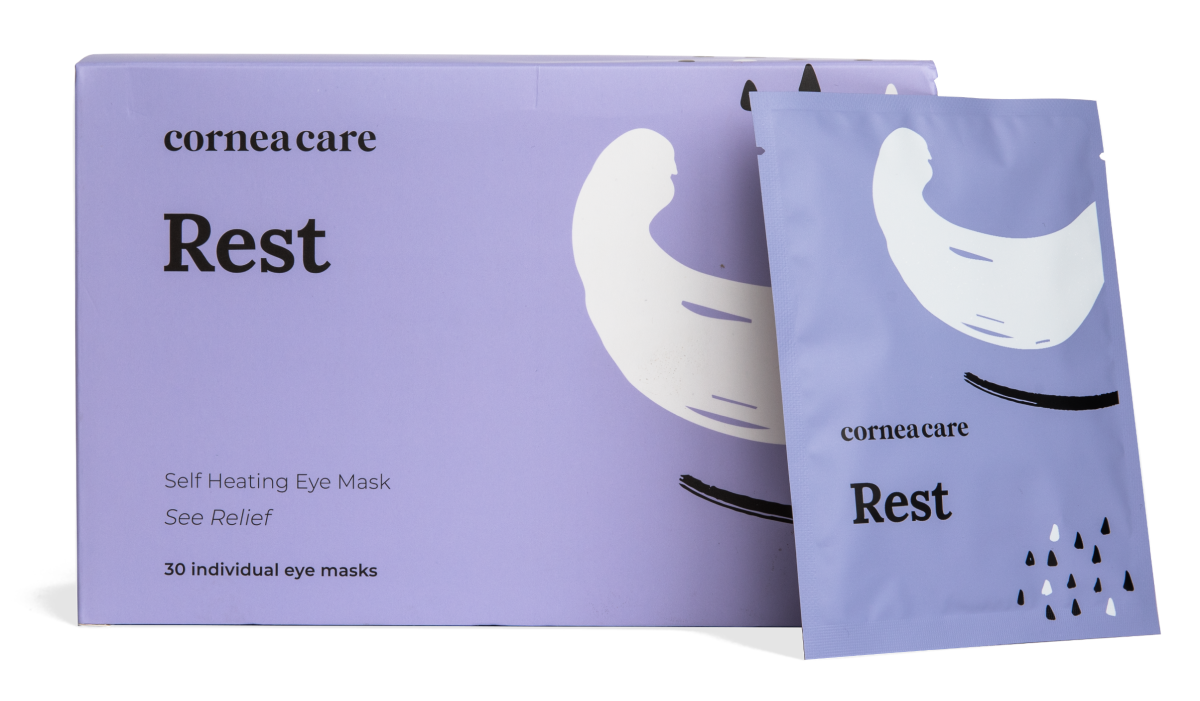
- Apply warm or cool compresses to soothe irritation
- Use clean wash cloths for wiping away eye discharge
- Offer lubricating artificial tears throughout the day
- Keep them away from dusty or smoky environments that can worsen symptoms
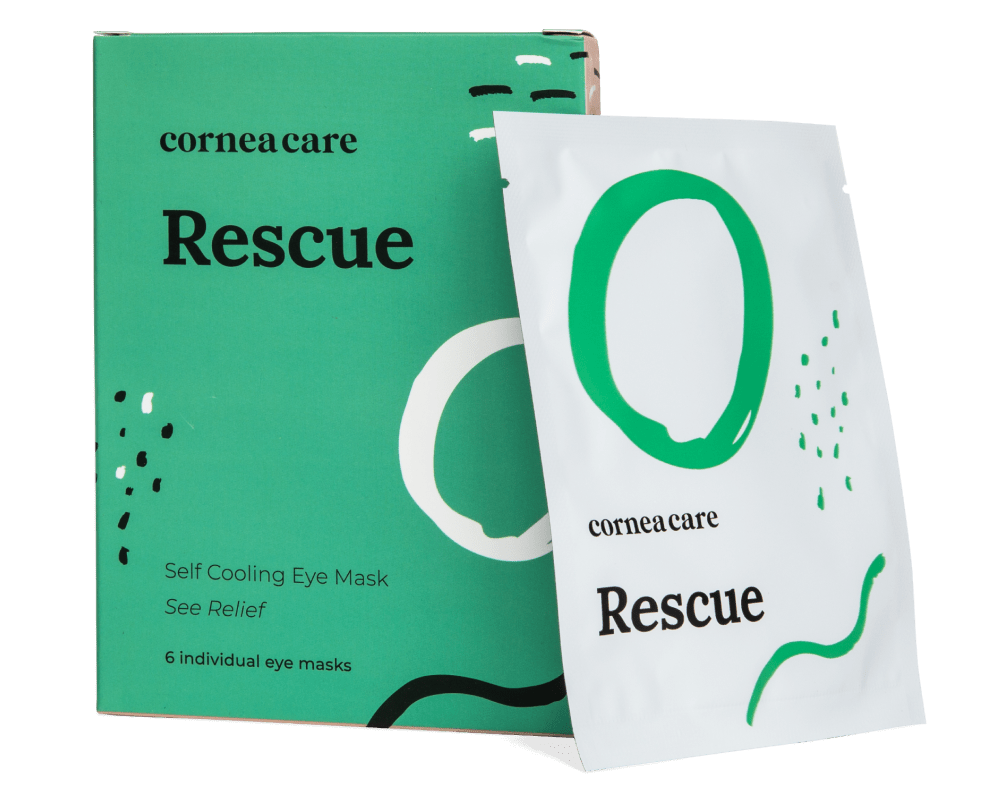
Individually wrapped and disposable CorneaCare warm or cool compresses make it easier to soothe pink eyes with less risk of spread.
These small steps can keep your child more comfortable while waiting for the redness and irritation to fade.
Can You Go to School with Pink Eye FAQs
If the pink eye is bacterial, most schools recommend staying home for at least 24 hours after starting antibiotic drops. Viral conjunctivitis may last longer, and some schools require students to stay home until the redness and discharge have improved. Non-contagious forms like allergic or irritant conjunctivitis don’t require time away from school.
Yes, when the pink eye is contagious. Schools often send children home with bacterial or viral conjunctivitis to prevent outbreaks. It’s also reasonable to keep your child home if symptoms are severe enough to affect learning, even if the condition is not contagious.
It’s generally safe to return once symptoms improve and, in the case of bacterial pink eye, at least 24 hours after starting antibiotic eye drops. For viral pink eye, waiting until discharge and redness have decreased helps reduce the chance of spreading the infection. Adults and children with non-contagious causes can continue attending school or work if they feel comfortable.
Putting It All Together
So, can you go to school with pink eye? Sometimes yes, sometimes no. If the conjunctivitis is allergic or irritant, there’s no risk to others and attending class is fine. If the infection is viral or bacterial, schools often ask students to stay home until the redness and tearing or discharge is gone, and there are no other symptoms.
When in doubt, check with your school’s nurse or your doctor. By combining common-sense health tips, careful hand hygiene, and medical treatment when needed, you can protect both your child’s comfort and the well-being of classmates.
What’s Next
Read more about pink eye, from the different types to the other conditions it can sometimes get mixed up with: