


Are You Seeing Wavy Lines in the Corner of Your Eye?
Any new distortions in your vision can be unsettling and should prompt a visit to an eye doctor. Seeing wavy lines in the corner of your eye may appear like a zigzag line, a herringbone pattern, or a shadow moving along the edge of your vision. Or maybe you’re seeing a blurry patch or noticing sudden wavy vision that comes and goes.
These visual disturbances can affect your peripheral vision, central vision, or both. While some causes of wavy lines in your vision are temporary and mild, others may point to an eye condition that needs prompt medical care.
Don’t take chances on your vision. If you have sudden vision distortions, eye pain, flashes of light, or a dark shadow, take it seriously and see an eye doctor.
Key Points
- Sudden wavy vision, flashes of light, or a dark shadow across your vision may signal an eye emergency and should be checked right away.
- Wavy lines in the corner of your eye can start in the retina, vitreous humor, or even the eye’s surface.
- Regular eye exams and everyday eye care habits play an important role in lowering your risk of lasting vision problems.
What is Sudden Wavy Vision?
When you experience sudden wavy vision, the straight lines you see every day no longer look straight. You might notice a doorframe appearing bent, notebook lines looking rippled, or words on your phone screen seeming uneven or warped. Some people first catch it while reading when lines of text look slightly curved, or when floor tiles or striped clothing appear distorted. Others describe a shimmering zigzag near the side of their vision or a small patch where objects look stretched or slanted.
These unusual vision changes may affect one or both of your eyes, and they may come and go or appear suddenly. Because your vision depends on many structures working together, there’s a range of different reasons behind these distortions. Only a medical professional can properly diagnose the cause of your symptoms.1
Causes of Wavy Lines in the Corner of Your Eye
Wavy vision can stem from everyday issues like dry eye, eye strain, or refractive errors.1,2,3 It may also be linked to changes inside the eye, including the retina or vitreous,4,5 or less commonly, the optic nerve. There are health factors such as diabetes, blood pressure changes, autoimmune conditions, or a family history of certain eye diseases that can increase your risk.6,7 Long screen sessions, extended contact lens wear, or an unstable tear film may make mild distortions even more noticeable.
Some causes of wavy vision are mild and temporary, while others can threaten your sight if they’re not diagnosed and treated quickly. We’re covering possible causes of wavy vision below to help you understand what might be happening and recognize the warning signs, but this information can’t replace an exam with an eye care professional.

Age-related macular degeneration
Age-related macular degeneration (AMD) affects the macula, the part of the retina responsible for sharp central vision. With dry AMD, straight lines may look slightly bent and fine details appear blurred. The more serious wet AMD involves abnormal leaking blood vessels and causes faster changes, such as warped vision when reading or looking at patterns like tiles.7
An Amsler Grid can help monitor changes at home. In clinic settings, optical coherence tomography (OCT) and fundus autofluorescence imaging help track the health of the retina. A family history of AMD increases your risk, so it’s important to have regular eye exams because early detection can make a difference.7
Retinal tear and retinal detachment
A retinal tear happens when the thin layer of tissue at the back of your eye (the retina) develops a small rip. This may occur as the gel-like vitreous inside the eye naturally changes with age and pulls on the retina. It can also happen spontaneously or after trauma to the eye. You might notice flashes of light, new floaters, or a shadow creeping into your side vision like a curtain.4
If fluid slips through that tear and collects underneath the retina, it can lift away from the back of the eye. This is called a retinal detachment. When the retina begins to separate, vision can change quickly. A spreading dark shadow, increasing distortion, or rapidly worsening symptoms require immediate medical care to protect your sight.4
Posterior vitreous detachment
flPosterior vitreous detachment is a common age-related change in which the gel inside the eye, called vitreous, separates from the retina. It can cause floaters and flashes of light similar to those of a retinal tear, which is why new symptoms should always be checked promptly.5
In most cases, however, the retina itself remains intact. Once an eye exam confirms there’s no tear, the condition is usually not dangerous. Many people find that the floaters and flashes become less noticeable over time as the eye adjusts.5
Macular pucker
A macular pucker develops when a thin layer of scar tissue forms over the macula. As that tissue tightens, it can wrinkle the surface. You might notice that straight lines look bent, words seem wavy on a page, or fine details appear distorted.8
This eye condition can make reading, driving, or recognizing faces more challenging. OCT imaging allows your eye doctor to see these subtle changes clearly. If symptoms are mild, monitoring may be all that’s needed. If distortion begins to seriously interfere with your daily life, surgery may be recommended.8
Diabetes-related macular edema
Diabetes-related macular edema is a condition that can develop in people with diabetes. It’s a complication of diabetes-related retinopathy, which itself results from long-term damage to the small blood vessels in the retina caused by high blood sugar. When those vessels leak fluid into the macula the tissue can swell and lead to distortion.6
You might notice that straight lines look wavy, faces seem slightly warped, or the center of your vision appears blurry. Reading and other close-up tasks often become more difficult because the macula is responsible for fine detail.6
Managing your blood sugar and blood pressure, along with routine eye exams, helps lower your risk. Treatment may include laser procedures or injections, depending on severity.
Ocular migraine and retinal migraine
Ocular migraine and retinal migraine can cause temporary zigzag lines, bright wavy lines, or geometric patterns that move across your field of vision. Some people first notice it while looking at a screen or reading, when the text appears to flicker or disappear briefly.9
Vision usually returns to normal within an hour. If these symptoms are new or feel different from past episodes, it’s important to discuss them with your eye doctor.
Dry eye disease
Dry eye disease, sometimes called dry eye syndrome, happens when your eyes don’t have a stable, healthy tear layer. That thin layer of tears is what keeps your vision feeling smooth and clear. When it breaks up too quickly, your sight can briefly look wavy or blurry, then sharpen again after you blink.2
You might notice this after long hours on a computer or phone, in heated or air-conditioned rooms, or when wearing contact lenses for much of the day. Your eyes may also feel tired, gritty, or irritated along with the visual changes. The good news is that dry eye is common and very treatable once it’s properly evaluated.2
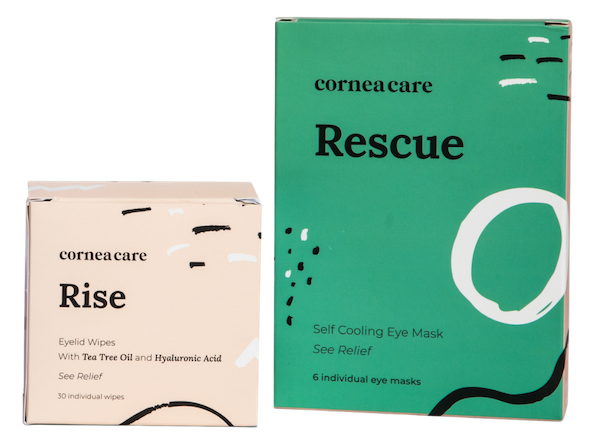
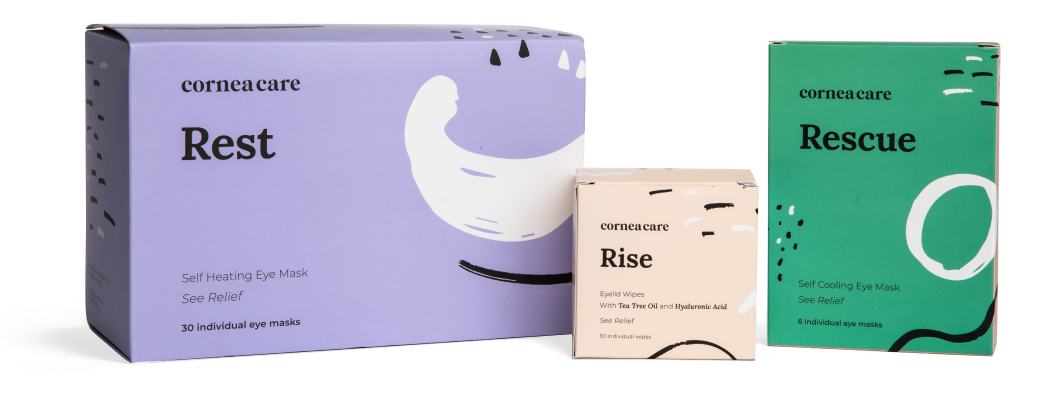
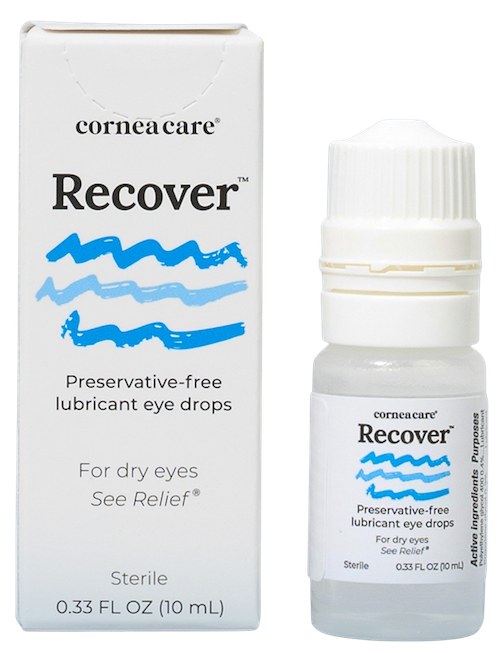
Consistent eyelid hygiene and simple lifestyle changes can support healthier tear quality. Try CorneaCare preservative-free artificial tears, eyelid wipes, and warm or cold compresses to improve comfort and visual clarity.10
Refractive errors and corneal conditions
Astigmatism and other refractive errors can make straight lines appear uneven. Corneal conditions like keratoconus, where the cornea thins and bulges forward, may cause distorted or shadowed vision. You might notice that road markings or text on signs look warped.3
Eye exams that include refraction, visual acuity testing, and slit-lamp examination help identify these problems. Getting updated glasses or contact lens prescriptions may be all that’s needed to improve clarity, though advanced cases may need additional treatment.3
Caring for Your Eyes
Medical evaluation comes first for new or worsening vision changes. Schedule an eye exam promptly, or seek emergency care if your symptoms are severe.
Alongside professional care, your daily habits can reduce the irritation that makes distortion more noticeable:
- Keep your eyelids clean with gentle CorneaCare eyelid wipes
- Take regular breaks from screens to avoid eye strain
- Use CorneaCare preservative-free artificial tears (eye drops) if your eyes feel dry
- Apply CorneaCare warm or cold compresses to soothe your eyelids
- Wear sunglasses to reduce UV exposure
Consider adding CorneaCare eye vitamins or omega-3 supplements to fill any nutritional gaps in your diet.

Seeing Wavy Lines in the Corner of the Eye FAQs
Seeing wavy or squiggly lines in your peripheral vision can come from vitreous changes, a retinal issue, or temporary migraine-related visual effects. Because serious conditions can start this way, new symptoms should always be checked by an eye doctor.
Early signs of a stroke can include sudden vision loss, a dark shadow, or abrupt vision distortion in one eye. A stroke is serious and needs urgent medical attention.
Dry eye disease can cause fluctuating blurry or mildly distorted vision that improves with blinking or eye drops. If you’re noticing ongoing or one-sided distortion, you should see an eye doctor for evaluation.
Any vision changes should be evaluated by an eye doctor. Sudden wavy vision with flashes of light, eye pain, or a spreading dark shadow should be treated as an eye emergency. You should see a doctor right away to prevent permanent vision damage.
Putting It All Together
Seeing wavy lines in the corner of your eye can have many causes, from dry eye disease to retinal detachment. Some changes are temporary, while others can threaten your vision if left untreated. Keep up with regular eye exams and seek prompt care when you notice vision changes to help protect your sight longterm.
What’s Next
If you notice other visual changes, reach out to your eye doctor for an exam. And you might find these additional articles about vision interesting: