


What’s a common cause of dry eyes?
If your eyes often feel dry, irritated, or blurry, it’s not always just “dry eyes.” A very common reason is meibomian gland dysfunction (MGD), which affects how your tears work and, in turn, your comfort, vision, and long-term eye health. It’s often the underlying cause of dry eye disease, a condition that can be managed with the right care.1
When you understand what’s happening along your eyelids, it’s much easier to take steps early and avoid ongoing irritation.
Key Points
- If your eyes feel dry, irritated, or watery, meibomian gland dysfunction (MGD) may be the underlying cause affecting your tear film.1
- Many common symptoms, like burning or blurry vision, come from tears evaporating too quickly, not just a lack of moisture.1
- With the right care, including warm compresses, eyelid hygiene, and targeted treatments, you can improve comfort and support healthier tear function.1
What is Meibomian Gland Dysfunction?
Meibomian gland dysfunction (MGD) affects the tiny oil-producing glands along your eyelid margins. These glands release oil that forms the outer layer of your tear film, which helps keep your eyes comfortable.2
Your tear film has three layers that work together:3
- The lipid (oil) layer slows down tear evaporation
- The aqueous (water) layer provides moisture and nutrients
- The mucus (sticky) layer helps tears spread evenly across the eye
When those oil glands aren’t working the way they should, the tear film becomes unstable. That’s when your eyes start to feel dry, irritated, or inconsistent throughout the day.
Why MGD leads to dry eye symptoms
With your oil glands disrupted, the tear film breaks down faster and increases tear evaporation, even if your eyes still produce enough tears. When your tears evaporate too quickly, it can lead to evaporative dry eye, one form of dry eye disease (dry eye syndrome).4
As a result, you may notice:3
- Burning or stinging
- Gritty or sandy feeling
- Blurred or fluctuating vision
- Sensitivity to light
- Redness
- Watery eyes that don’t feel soothing
It may seem odd, but having watery eyes can still mean dryness. When your natural tears evaporate too quickly, your eyes may overcompensate by producing more tears, called reflex tears. But reflex tears are not of the same quality as your normal tears, and overpower your eyes ability to naturally drain tears, causing watery eyes.6
What Causes Meibomian Gland Dysfunction?
Also referred to as meibomian gland disease, MGD develops when the glands become blocked or inflamed.1 Let’s take a look at some of the factors that can contribute to gland blockages and poor oil flow.
Age and hormonal changes
As you get older, the glands tend to produce less oil and may change in structure, which affects how well they function. MGD becomes more common after age 40 and continues to increase with age.2
Hormonal shifts also play a role. Lower androgen levels can reduce oil production and make gland secretions thicker and more likely to clog.1
Chronic lid inflammation
Conditions like blepharitis (eyelid inflammation) or ocular rosacea can affect the glands along your eyelids. When there’s ongoing inflammation, the oils can become thicker and start to clog the gland openings. Over time, that makes it harder for the oil to flow the way it should.1
Debris build-up
Debris and bacteria can collect along the base of your eyelashes and block the gland openings. Tiny organisms called Demodex mites can infest the follicles and contribute to irritation, which adds to the inflammation and makes symptoms harder to control.2
Contact lens use
Many contact lens wearers experience MGD because lenses can disrupt the tear film and increase dryness. Long-term use may also affect how the glands function.1,3
Screen time and reduced blinking
Long hours on screens reduce your blink rate. Incomplete blinking limits the release of oil from the glands, which can lead to buildup and blockage over time.3,5
Other health factors
MGD may also be linked to:
- Recurrent styes or chalazions 1
- Certain medications, including antihistamines, antidepressants, acne treatments like isotretinoin, glaucoma medication, and eye drops containing preservatives 3,5
- A diet low in omega-3 fatty acids 5
How Meibomian Gland Dysfunction is Diagnosed
A visit to your eye doctor for a dry eye evaluation is the first step! Your eye care provider uses specialized ocular diagnostics to assess the tear film and gland health.
A typical assessment may include:1
- A slit-lamp exam to examine your eyelids, tear film, and ocular surface
- Evaluation of the eyelid margins for blockages or inflammation
- Expression of the glands to check oil quality
- Imaging of the glands to detect structural changes
- Tear breakup time test
MGD is often part of a broader group of conditions that affect the surface of your eyes. In many cases, more than one factor is involved, so taking a closer look at everything going on helps guide the right treatment plan.
Treatment Options for Meibomian Gland Dysfunction
Treating MGD is really about getting the oil flowing again, calming inflammation, and helping your tear film stay stable. That usually means a combination of treatments you can do at home and, if needed, in-office therapies from your eye doctor.
Warm compresses and heat application
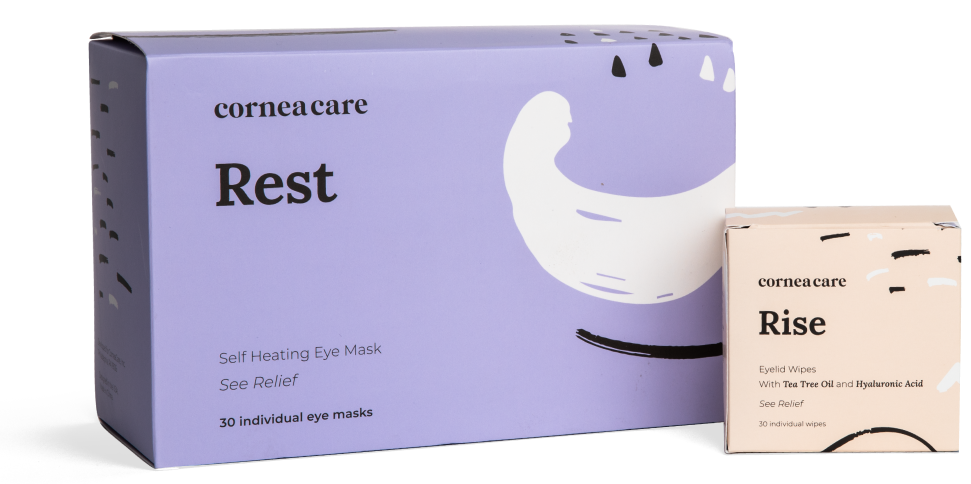
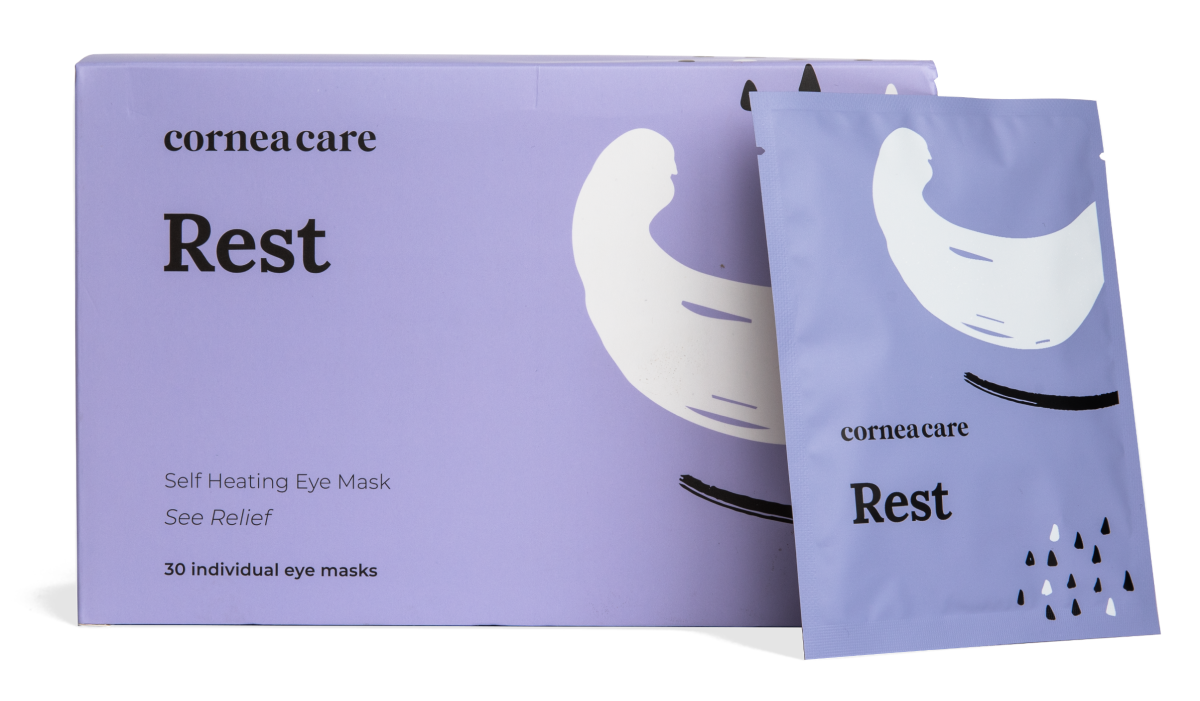
Regular heat application is one of the most effective first steps. Warm compresses help soften thickened oils, making it easier for the glands to release them.1 Using a consistent, gentle heat source for several minutes each day can improve symptoms over time. CorneaCare self-heating warm compresses are designed to deliver steady heat safely to your eyelids.
Eyelid hygiene
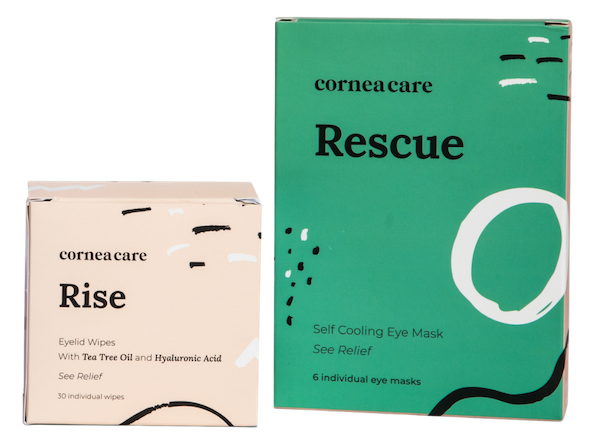
Cleaning your eyelids regularly helps clear away debris and bacteria that can build up around the eyelash follicles and block the glands.2 Making this part of your daily routine can go a long way in calming irritation and supporting better oil flow. CorneaCare eyelid wipes can make this step simple and consistent.
Artificial tears and lipid-based eye drops
Artificial tears can provide temporary relief, but for MGD, your eye doctor may recommend lipid-based eye drops to support the oily layer of your tear film. In some cases, your eye doctor may also suggest medicated drops, like steroids, if inflammation is part of the problem.5
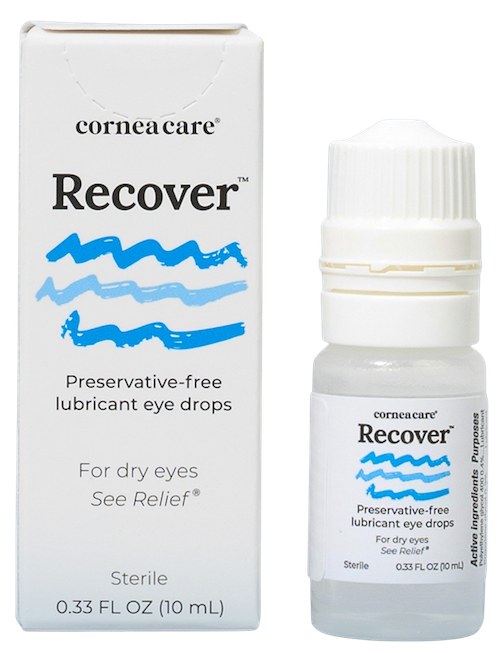
If you use eye drops to relieve mild dry eye symptoms, always choose preservative-free drops.5 CorneaCare preservative-free artificial tears can be used to soothe your eyes throughout the day, as needed.
Omega-3 essential fatty acids supplementation
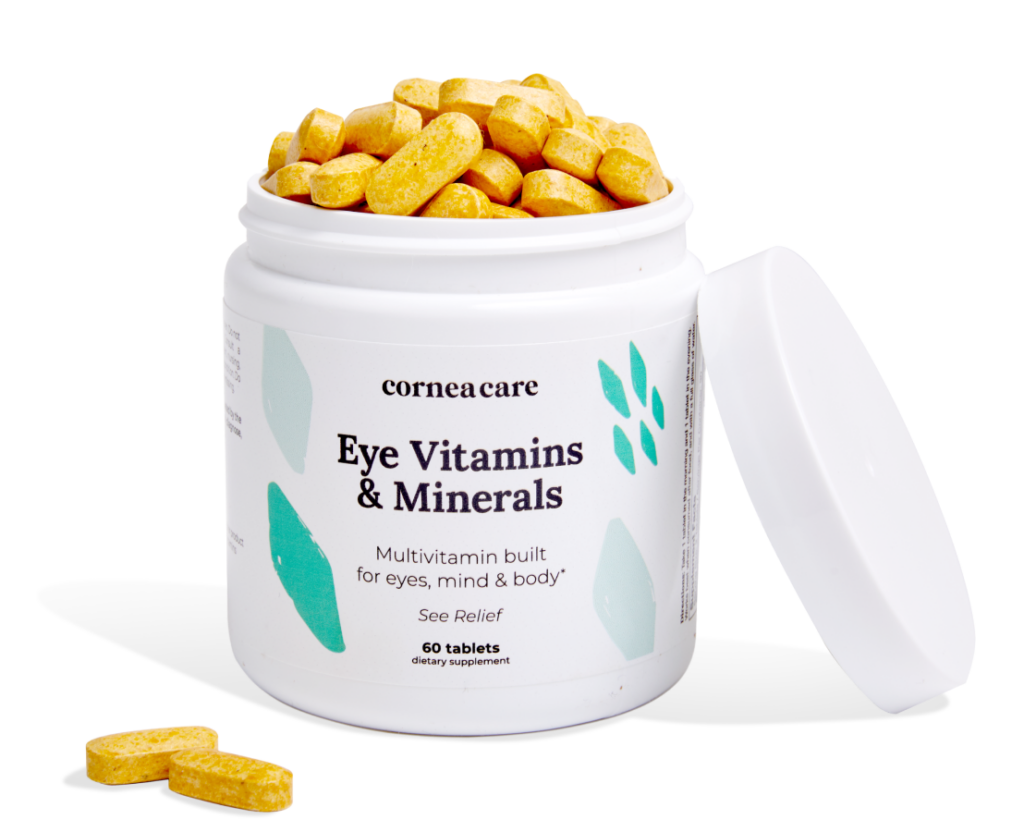
Your diet can influence the tear film’s oil quality. Omega-3 essential fatty acids have been studied for their role in improving gland secretions and reducing inflammation. Foods like fatty fish, flaxseed, and walnuts provide omega-3s, and CorneaCare omega-3 supplements, may help.3,5
Advanced in-clinic treatments
For more persistent cases of MGD, in-office procedures may be recommended, such as:5
- Thermal pulsation systems apply controlled heat and gentle pressure to the eyelids, helping clear blocked glands. This approach targets the root problem by restoring oil flow.
- Gland probing may be used in certain cases to physically open blocked glands and improve secretion.
In-clinic therapies aim to improve oil flow and reduce inflammation, often combined with home care for best results.
Daily Habits That Make a Difference
The most important step is to schedule an eye exam for a clear diagnosis and treatment plan. In addition to following your doctor’s instructions, the following small changes can improve the symptoms of MGD.
These tips can help support long-term eye comfort:5
- Take breaks from screens and blink fully
- Use a humidifier in dry environments
- Stay hydrated
- Practice daily eyelid hygiene
- Use warm compresses consistently
Also, if you wear contact lenses, talk with your eye doctor about trying alternatives or adjusting wear time if dryness persists.
When to Seek Medical Care
Occasional dryness happens, but if your symptoms keep coming back or aren’t improving, it’s worth getting your eyes checked. Changes in vision or ongoing irritation shouldn’t be ignored. You should schedule an eye exam if you notice:1
- Dry eye symptoms that don’t go away
- Frequent styes or eyelid swelling
- Blurry vision that comes and goes
- Discomfort when wearing contact lenses
Catching MGD early can help protect the surface of your eyes and lower the chance of longer-term issues.1
Meibomian Gland Dysfunction FAQs
The most common cause of meibomian gland dysfunction (MGD) is blockage of the oil-producing glands along the eyelids. This often results from thickened oils, inflammation, or debris buildup along the eyelid margins. Aging, skin conditions like ocular rosacea, and poor eyelid hygiene also play a role.
MGD is usually a chronic condition, which means it can be managed but not permanently cured. With consistent care, including warm compresses, eyelid hygiene, and targeted treatments, many people keep symptoms well controlled.
If you think you might have MGD, it’s a good idea to start with an eye exam so you know exactly what you’re dealing with. Artificial tears can help your eyes feel better for a bit, but they don’t fix the underlying issue with the oil glands. For longer-lasting relief, treatments that support the oil layer, like warm compresses, eyelid hygiene, lipid-based eye drops or therapies that improve gland function, tend to work better.
Yes, many contact lens wearers experience symptoms linked to MGD. Poor tear film stability can make lenses feel dry or uncomfortable. Treating MGD often improves lens tolerance.
It can. An unstable tear film can cause blurred or fluctuating vision. This happens because the tear film plays a role in focusing light on the eye’s surface.
Putting It All Together
Meibomian gland dysfunction is one of the most common reasons behind ongoing dry eye symptoms. When the glands that support your tear film stop working properly, your eyes lose the protection they need.
The good news is that MGD usually responds well when you stick with a consistent routine. Once you have a diagnosis from your eye doctor, simple steps like regular eyelid hygiene, warm compresses, and the right eye drops can help improve how your eyes feel. At CorneaCare, we offer supportive options like gentle eyelid wipes, self-heating warm compresses, and preservative-free artificial tears that fit into this kind of daily care.
For more persistent cases, your doctor may recommend targeted treatments that can help restore gland function and improve comfort. If your eyes feel dry most days, it’s worth getting checked. Early care can make a real difference in keeping your eyes comfortable and protecting the surface of your eyes over time.
What’s Next
Check out our free Dry Eye Disease 101 course to learn even more about the symptoms, causes, and treatment options for Dry Eye Disease.