

When your vision starts to change, it’s not only frustrating, it can also signal an underlying eye condition. There are many eye conditions that can affect how well you see, and some can sneak up on you without warning. Whether it’s blurry vision, dry eyes, or trouble seeing at night, knowing what to watch out for can help keep your eyes and vision in good shape.
We’re covering 10 common eye conditions that can lead to vision problems and how they affect your eye health. If you’re concerned you may be dealing with any of these conditions, schedule a comprehensive eye exam with your eye doctor now.
Key Points
- Many common eye conditions develop slowly and can lead to serious vision loss if not caught early.
- Regular eye exams help detect problems before you notice symptoms.
- Simple daily habits can go a long way toward protecting your long-term eye health.
1. Refractive Errors
Refractive errors are the most common reason people have trouble seeing clearly. These include nearsightedness (myopia), farsightedness (hyperopia), astigmatism, and presbyopia. These happen because the shape of your eye doesn’t let light focus properly on the retina.1
You might notice your vision is blurry, your eyes feel tired, or you get headaches. Regular eye exams can catch these problems early. Glasses, contact lenses, or laser surgery can help correct your vision so you can see more clearly.1
2. Age-Related Macular Degeneration
Age-related macular degeneration (AMD) can make it hard for you to read, recognize faces, or see fine details. AMD affects your central vision when the part of your retina responsible for sharp vision, the macula, starts to break down. It’s a common cause of vision loss in adults over the age of 50.2
There are two types of AMD. Dry AMD is the more common of the two and progresses slowly over time. Wet AMD causes vision loss faster as abnormal blood vessels leak fluid into the retina. Retinal imaging can help with early detection of AMD so that your doctor can help you preserve your sight with early treatment.2
3. Diabetic Retinopathy
If you have diabetes, this is an eye problem you should take seriously. Diabetic retinopathy happens when high blood sugar damages the small blood vessels in your retina. Over time, it can cause permanent vision loss or even blindness.3
You might not notice symptoms early on, which is why regular eye exams are so important if you have diabetes.3
4. Glaucoma
Glaucoma is a group of eye problems that damage the optic nerve, often due to high eye pressure. It typically develops slowly without any pain, so you might not even notice it until you’ve already lost some vision.4
The most common type is open-angle glaucoma. Less common types, like angle-closure glaucoma, can cause sudden eye pain, headaches, and blurred vision. Treatment for glaucoma may include eye drops, laser surgery, or other procedures to lower eye pressure.4
5. Cataracts
Cataracts make the lens inside your eye cloudy. This causes blurry vision, glare from lights, and trouble seeing clearly at night. Cataracts are a normal part of aging but can also come from injuries, certain medications, or health problems like diabetes.5
If cataracts start getting in the way of your daily life, cataract surgery can replace the cloudy lens with a clear artificial one. This surgery is very common and considered one of the safest surgeries performed.5
6. Retinal Detachment
Retinal detachment is when the retina pulls away from the back of your eye. This is serious and needs fast treatment to save your vision. You might notice sudden flashes of light, a shadow moving over part of your vision, or a lot more floaters than usual.6
Risk factors include eye injuries, past eye surgeries, severe nearsightedness, or retinal diseases. If you notice these symptoms, see an eye doctor immediately.6
7. Dry Eye Disease
Dry eye disease happens when your eyes don’t make enough tears, or your tears dry up too fast. Symptoms of dry eye disease include:7
- Eyes feel scratchy or irritated
- Burning sensation in eyes
- Blurred vision
- Contact lens wear is uncomfortable
- Excessive tearing
Dry eye is more common as you get older, even more so for women. Prolonged screen time, certain health problems, and some medications can make it worse. Treatments for dry eye disease include daily eyelid hygiene, artificial tears, prescription drops, punctal plugs, in-clinic procedures, and simple lifestyle changes.7
8. Optic Neuritis
Optic neuritis is often related to autoimmune diseases such as multiple sclerosis. When the optic nerve becomes inflamed, you may have symptoms such as sudden vision loss in one eye, pain when moving your eye, and changes in the way you see color.8
Early diagnosis and imaging is important for managing symptoms and protecting your vision.
9. Retinitis Pigmentosa
Retinitis pigmentosa is a group of eye diseases that slowly damage the cells in your retina. Symptoms typically start with trouble seeing at night. You may also develop tunnel vision and sometimes complete blindness over time. Researchers are studying gene therapies and retinal implants but there is no cure at this time.9
Retinitis pigmentosa is inherited so if eye diseases run in your family, consider genetic testing and early treatment. However, not every patient with this condition has a family history of retinitis pigmentosa.9
10. Central Serous Retinopathy
Central serous retinopathy is the result of fluid building up under the retina. This build up creates a small blister-like area that distorts your vision. It usually affects just one eye and is more common in men between the ages of 30 to 50, especially those under a lot of stress or using steroids. Most cases heal on their own, but more serious cases might need laser treatment or medication.10
When to See an Eye Doctor
Many of these eye conditions that affect vision don’t cause symptoms right away. That’s why routine eye examinations are one of the best ways to protect the health of your eyes.
If you have diabetes, an autoimmune disorder, or a family history of eye diseases, you’re at a higher risk and should be extra proactive about your eye health. Look out for signs like:11
- Sudden vision loss or blurry vision
- Flashes of light or floaters
- Eye pain or redness
- Dry, red, and swollen eyelids
- Trouble seeing at night
- Distorted or wavy lines in your vision
A comprehensive eye exam gives your eye doctor the chance to pick up on early signs of problems, even before you notice any changes in your sight.
Everyday Habits for Eye Health
Healthy daily routines and preventive habits can go a long way in keeping your eyes comfortable and your vision stable.
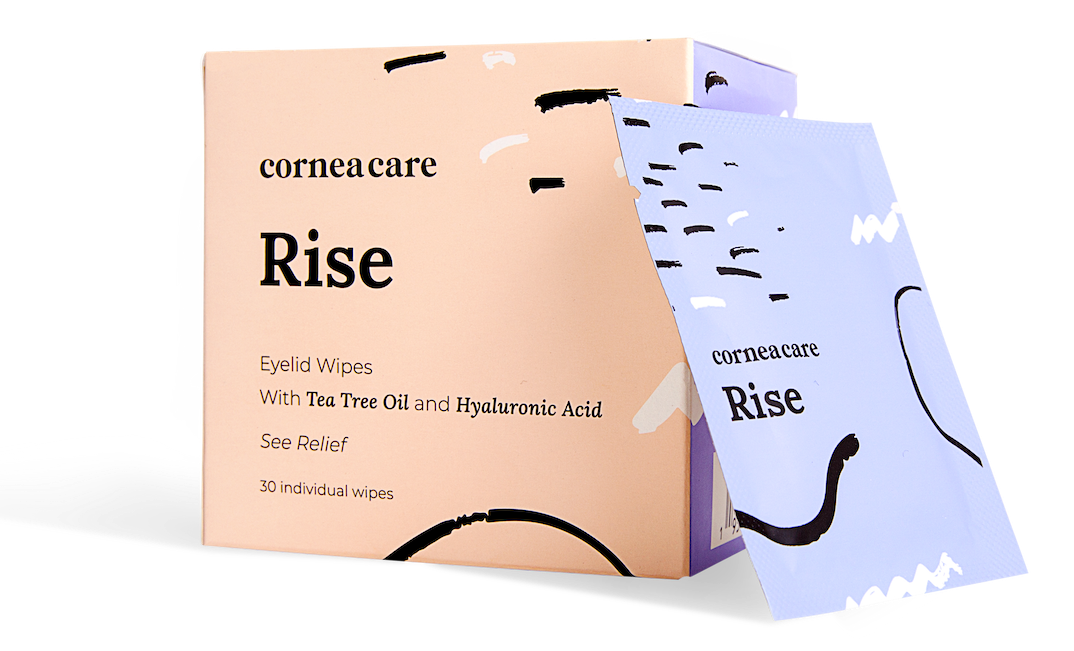
- Use eyelid wipes if you wake up with crusty eyelids or deal with inflammation.12 CorneaCare eyelid wipes can help clean the lash line and reduce symptoms.
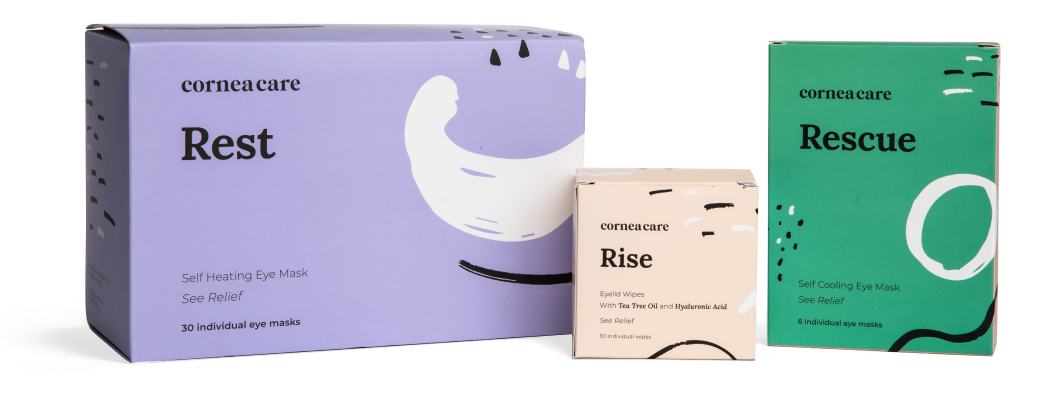
- Apply warm compresses to help unclog oil glands and relieve dry eye symptoms.13 CorneaCare self-heating warm compresses or a microwaveable eye mask both work well.
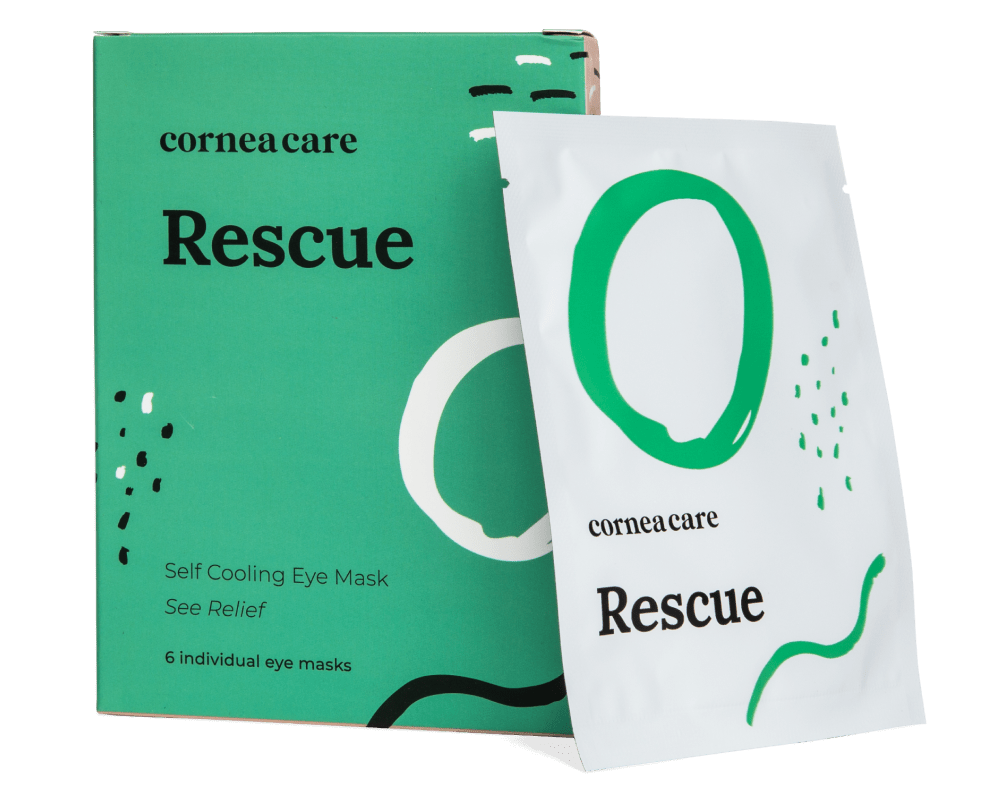
- Use cool compresses to reduce puffiness and soothe tired eyes after long hours of screen time.14 Try CorneaCare self-cooling cold compresses for an easy solution.
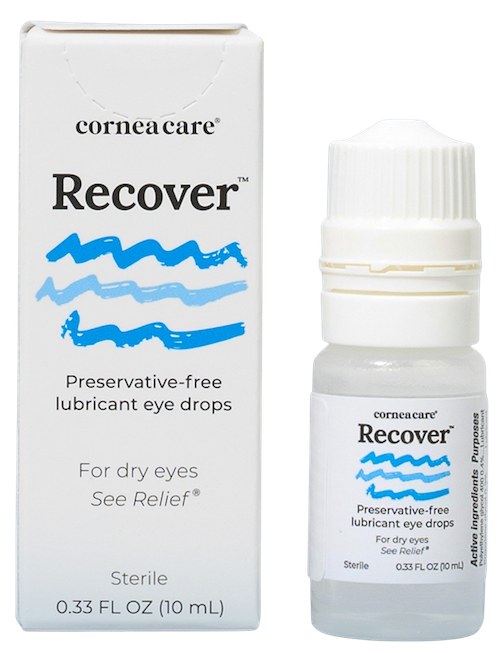
- Try artificial tears if your eyes feel dry, especially in dry climates or heated/air-conditioned spaces.15 CorneaCare artificial tears are preservative-free and convenient for use anywhere.
- The 20-20-20 rule can help you prevent digital eye strain: every 20 minutes, look at something 20 feet away for 20 seconds.15
- Eat for your eyes. Leafy greens, citrus fruits, fish high in omega-3s, and colorful vegetables support healthy blood vessels and retinas.16 Add CorneaCare eye vitamins and omega-3 supplements to fill any gaps in your diet.
- Wear sunglasses to protect your eyes from ultraviolet light exposure.17
- Quit smoking. It increases your risk for cataracts, macular degeneration, and other eye diseases.17
- Protect your eyes while playing sports and in the workplace if you work with chemicals or equipment that can lead to eye injury.17
- Manage underlying medical conditions like diabetes, high blood pressure, and autoimmune disorders.
- If you wear glasses or contact lenses, make sure your prescriptions are current.
Keep up with comprehensive eye exams to detect vision problems before they progress.
Eye Conditions that Affect Vision FAQs
Eye diseases are very common. Billions of people worldwide experience some form of vision impairment.11 Conditions like refractive errors, cataracts, and dry eye affect people of all ages.
Some eye diseases can be prevented or delayed through healthy habits, UV protection, blood sugar control, and regular eye exams. Early detection makes a big difference.
Dry eye disease, cataracts, macular degeneration, glaucoma, and presbyopia are among the most common vision problems that can develop as you age. Regular screenings with your eye doctor can help catch them early.11
Putting It All Together
When it comes to your eyes and vision, don’t ignore the little things. Even small changes to your sight could point to something more serious and getting the right care at the right time can make all the difference.
At CorneaCare, helping you keep your eyes healthy for life is what we’re all about.
What’s Next
Check out the following articles to learn more about some of the eye conditions that affect your vision: