


Why are my tears burning my eyes?
If your eyes sting when you cry or tear up, you’re not imagining things. Burning eyes can be uncomfortable and sometimes even alarming. Whether it’s a brief sting or ongoing discomfort, there’s often a cause behind it. Let’s go over the most common reasons for burning tears, what might be going on in your eyes, and what you can do to relieve that irritation.
Key Points
- Burning tears are usually related to irritation or imbalance on the surface of your eyes.
- Causes range from dry eyes and allergies to more serious conditions like eye infections or autoimmune disease.
- Your eye doctor can help you figure out the cause and come up with a treatment plan, which may include home remedies, over-the-counter treatments, prescription eye drops and in-office procedures.
1. Dry Eyes and Tear Film Imbalance
One of the most common reasons your tears burn is dry eye disease, which affects the quality and balance of your tear film. A healthy tear film has three layers: the mucous layer (closest to the eye), the water layer, and the oil layer (outer layer). When any layer is disrupted — most often the oil layer from blocked oil glands — your tears can evaporate too quickly, leaving your eyes dry and exposed.1
A burning feeling related to dry eyes tends to show up more in people who spend long hours on screens (digital eye strain) or in air-conditioned spaces.1
What to do:
- Start a daily eyelid hygiene routine to reduce dry eye symptoms.2
- Rest with a CorneaCare self-heating warm compress on your eyes to help improve your tear quality.2
- Use lubricating drops or CorneaCare preservative-free artificial tears regularly.2
- Take screen breaks every 10 to 20 minutes.2
- Add omega-3s and vitamins A, C, D, E, and B12 to support tear production. Try CorneaCare eye vitamins and supplements formulated to support your eye health.3
- Consider punctal plugs if over-the-counter options aren’t working.1
See your eye doctor if your dry eye symptoms are ongoing and affecting your quality of life. They can properly diagnose the problem and offer an effective treatment plan.
2. Contact Lenses That Don’t Fit or Breathe Well
If you wear contact lenses and feel a burn when you tear up, the lenses themselves might be part of the problem. Poor-fitting lenses or extended wear can lead to dryness, low oxygen flow to the ocular surface, and even contact lens-induced papillary conjunctivitis, an inflammatory reaction under the eyelid.4
Contacts also trap debris or preservatives from eye drops, which can irritate your eyes over time. If your eyes burn when you insert your contact lenses, remove them and wear glasses, and talk with your eye doctor about your symptoms.4
What to do:4
- Switch to daily disposables or low-preservative solutions.
- Use only contact lens-approved eye drops.
- See your eye care provider to check lens fit and oxygen permeability.

3. Allergies and Environmental Triggers
Allergic reactions are a major cause of burning eyes, as well as watery eyes, itching, or redness. Eye allergies can be triggered by pet dander, pollen, mold, dust, or even ingredients in shampoo or skin moisturizers. These reactions increase histamine release in the eye tissue, which can disrupt the tear film and make your tears sting.5
Smoke from wildfires or polluted air can irritate your ocular surface and dry out your tear film.5
What to do:5
- See your eye doctor to determine if allergens are the reason your tears burn.
- Use antihistamine drops or antihistamine eye drops under your eye doctor’s direction.
- Rinse eyes with saline solution or an eyewash kit.
- Identify and avoid your allergy triggers which may include pets, seasonal changes, or household products.
- Consider using an air purifier to reduce the harm of smoke and air allergens.
4. Chemical Exposure and Household Irritants
The household items you use every day, like cleaning products, bleach, fragrances, and shampoo ingredients, often contain harsh chemicals. These substances can irritate the ocular surface or even cause a chemical burn, especially if they splash directly into the eye.6,7
More serious exposures, such as to alkali substances (e.g., automobile batteries, oven cleaner) or acid chemicals, can cause long-term damage.7
What to do:7
- Use a sterile saline solution or clean water to rinse your eyes immediately.
- Call the poison control center if it was a chemical exposure.
- Seek urgent medical help.
- Take care to protect your eyes with safety glasses or a face shield if you are exposed to harsh chemicals in the workplace.
5. Eye Infections Like Pink Eye
A burning sensation is often part of an eye infection. With pink eye (conjunctivitis), the inflammation can affect the tear film and lead to stinging.7 Sometimes, a cold or flu virus can cause eye irritation even without full-blown pink eye.
What to do:
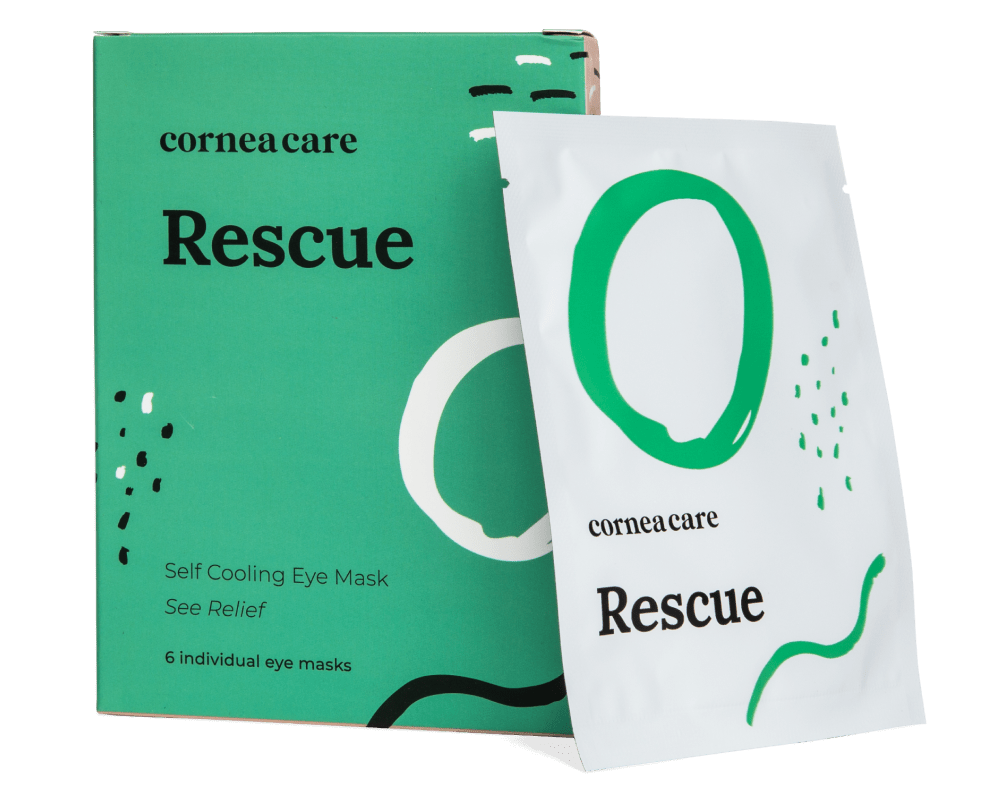
- Use cold to ease the symptoms of pink eye. CorneaCare self-cooling cold compresses offer a convenient solution.
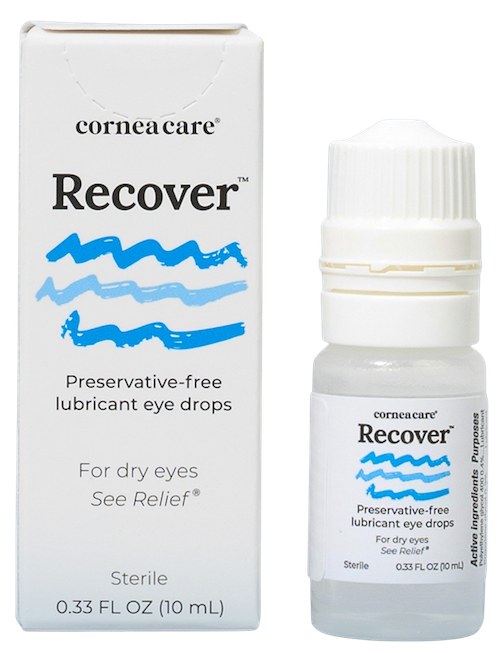
- Apply artificial tears to reduce pink eye irritation.
- Reduce the spread of infection by washing your hands frequently and avoid sharing towels, makeup, or eyecare products.
- Remove contact lenses and wear glasses until infection clears.
6. Foreign Object or Corneal Abrasion
A foreign object (dust, makeup, sand, even an eyelash) in your eye can damage the corneal surface. If something got stuck and scratched your eye, you could have a corneal abrasion. A corneal abrasion can be the reason your tears burn or sting, and can cause sudden eye pain, redness, and blurred vision.10
What to do:10
- Rinse your eye gently with saline solution or an eyewash kit.
- Don’t rub your eyes.
- See an eye doctor for a diagnosis and treatment plan.
7. Inflammation, Blepharitis, and Autoimmune Conditions
Chronic inflammation on or around the eye be a reason for burning tears. This includes blepharitis, an inflammation of the eyelid edge often caused by clogged oil glands or skin conditions like seborrheic dermatitis. Autoimmune diseases like Sjögren’s syndrome, ocular rosacea, or other systemic inflammatory problems can also disrupt tear production and lead to dryness and burning.6
What to do:
- Use CorneaCare cool or warm compresses to ease the symptoms of blepharitis.6
- Ask your doctor about autoimmune testing if dryness and irritation persist.
- Anti-inflammatory drops or CorneaCare preservative-free artificial tears can help protect the ocular surface.6
8. UV or Thermal Eye Burns
Exposure to UV light (like from tanning beds, welding, or reflected sunlight from snow or water) can cause a temporary burn to the corneal surface called photokeratitis.11 Another reason your tears might burn, this can make your tears sting within the first hours of exposure.
Thermal burns can happen when you’re too close to a sudden flame, explosion, or fire-related accident. Causes include fireworks, flammable liquids, or a buildup of explosive gases like propane or natural gas. Household items such as a curling iron, hot oil, or steam can also damage the outer layer of the eye.11
What to do:11
- Prevent UV damage by wearing UV-blocking sunglasses.12
- OTC pain relievers can help ease the discomfort of ocular burns.
- If you burn your eyes, get emergency care immediately.
9. Pterygium: A Surface Growth on the Eye
A pterygium is a benign, fleshy growth on the white of the eye that may extend toward the cornea. It often develops from chronic exposure to wind, dust, or UV light. Symptoms can include redness, dryness, irritation, and sometimes a burning sensation.12
What to do:12
- Use lubricating eye drops or artificial tears to relieve irritation.
- Wear UV-protective sunglasses outdoors.
- In more advanced cases, a doctor may recommend anti-inflammatory treatment or surgical removal.
When to See a Doctor About Tears that Burn
It’s always a good idea to see your eye doctor for new eye symptoms and to determine the reason your tears are burning. Contact your eye doctor if:
- Your eyes are very red or painful.
- Your vision is blurred or decreased.
- You have light sensitivity or feel like something is stuck in your eye.
- The burning started after chemical exposure or trauma.
- You have a health condition that affects your immune system.
These signs could point to an infection, injury, or inflammatory problem that needs medical treatment. If you’re unsure, it’s always safer to get checked, especially if your symptoms don’t improve within a few days.
Home Remedies That Can Help Ease Burning Tears
Under your eye doctor’s supervision, there’s a good chance you can ease the discomfort with simple home care. Here are some safe, gentle ways to help your eyes feel better at home:
- Preservative-free artificial tears such as CorneaCare artificial tears
- CorneaCare self-cooling cold compresses can soothe irritated or allergic eyes
- Cucumber slices to soothe eyelid inflammation
- Taking regular screen breaks and using a humidifier
- Gently cleaning eyelids with warm water and a clean cloth or CorneaCare individually wrapped eyelid wipes.
Reasons Your Tears Might Burn FAQ
If your eyes sting when you cry, it usually means something’s irritating the surface of your eyes. Dry eye disease, allergies, contact lenses, or even exposure to things like smoke or strong fumes can throw off your tear film. Crying can spread those irritants around and make the burning feel worse.
Start with seeing your eye doctor. They may ask you to use preservative-free artificial tears to add moisture. Try to stay away from common triggers like smoke, cleaning products, or allergens.
It can. When your body doesn’t have enough fluids, your eyes may not make enough good-quality tears, which can lead to dryness and burning. Start drinking more water throughout the day to help keep your eyes better hydrated and more comfortable.
Putting It All Together
Burning tears are your eyes’ way of telling you something isn’t right. Most of the time, quality eye drops, simple lifestyle changes, and a visit to your eye doctor can bring the relief you need from stinging tears in your eyes. In the case of dry eye disease, allergies, or something more serious, work with a trusted eyecare professional to figure out what’s behind the discomfort and treat it accordingly.
What’s Next
When your eyes are hurting, there can be many different causes. Be sure to make an appointment with your eye doctor. And you might find these articles interesting: